Why Armenia
The Armenia–Turkey Border Opening and Your Business
In June 2025 the Armenian Prime Minister made a historic visit to Turkey to meet the Turkish President — the first official visit by an Armenian leader to Turkey. The two governments’ special envoys continue negotiations on opening the land border and restoring the Kars–Gyumri railway. Turkey has signaled concrete steps beginning in early 2026, including anticipated direct flights. The European Union has announced a project to connect the energy networks of Turkey and Armenia.
The Armenia–Turkey border has been closed since 1993. For more than three decades, that closure has been the binding constraint on Armenia’s western connectivity, forcing Armenian commerce to route through Georgia or Iran for any movement toward Turkish and Mediterranean markets. The decision to open it is one of the structural changes underway in the wider regional rebalancing alongside the TRIPP corridor and Armenia’s 2025 EU-accession legislation.
What changes when the border opens
Three categories of change are directly relevant to foreign employers.
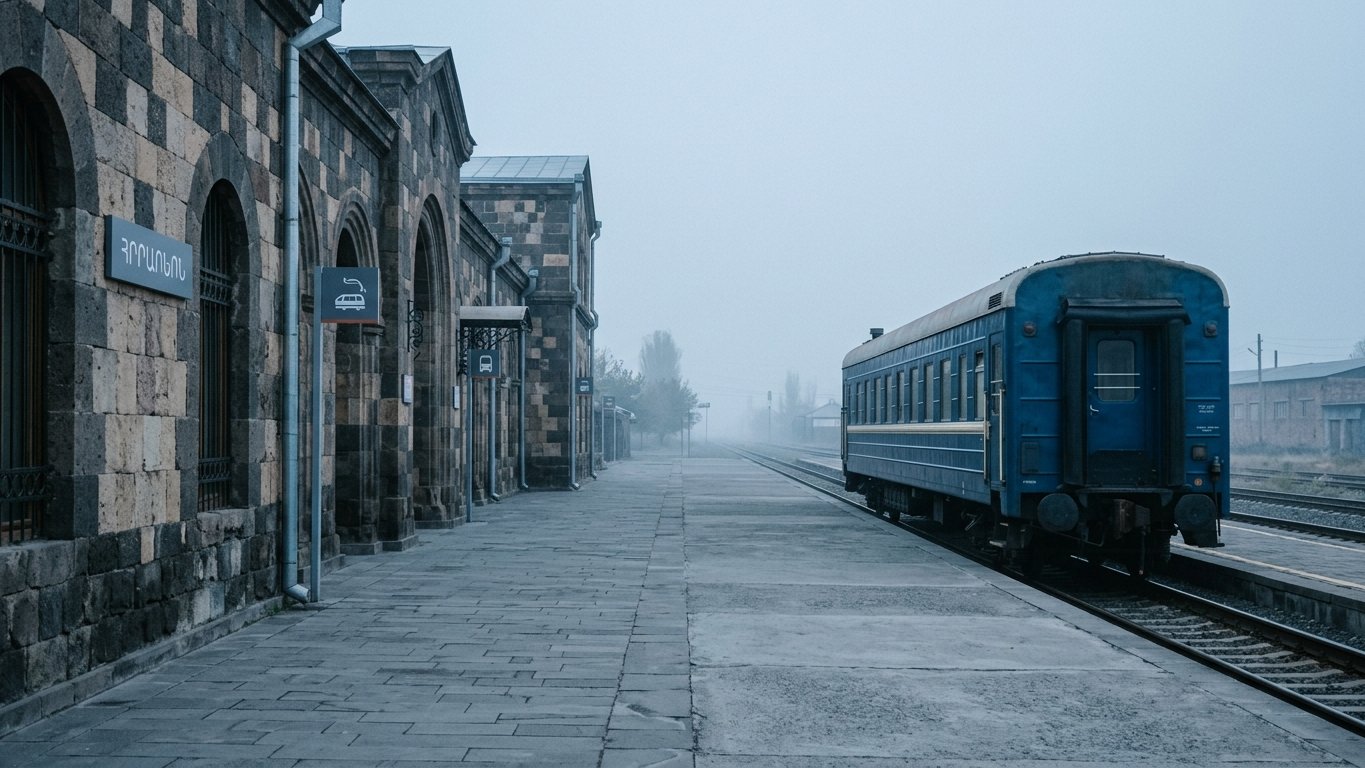
The first is air and rail connectivity. Direct flights anticipated to begin in 2026 will bring Istanbul, Ankara, and onward Mediterranean and European hubs within a single short flight. The Kars–Gyumri railway restoration, when complete, gives Armenia a viable cargo corridor from Turkey to Iran and onward to Central Asia.
The second is Turkish-side staffing and counterparty access. Turkish companies in construction, manufacturing, retail, food services, and logistics have not been able to operate directly in Armenia for over thirty years. Once the border opens, the bilateral commercial relationship resumes. For foreign employers in either country, the practical effect is the appearance of a substantial new set of supply chain and partnership options that were structurally unavailable before. We address this directly on our Turkish companies page.
The third is the operating environment in eastern Turkey and the western Armenian region around Gyumri. Both will see infrastructure activity and second-tier corporate interest. Our Relocating to Gyumri page covers the second-city case for distributed teams.
What it does not change
The Armenian work permit framework, tax regime, and employment contract requirements remain the same regardless of border status. An employee deployed to Armenia from Turkey, Europe, or the United States goes through the same workpermit.am process, the same Temporary Residence Card application, and the same 2026 e-contract platform that applies to every foreign hire. The fee structure stays at for the work permit and for the Temporary Residence Card. Our Immigration and Work Authorization hub covers the full mechanics.
The energy network connection
Alongside the rail restoration and direct flights, the European Union has announced a project to connect the energy networks of Turkey and Armenia. The combination of energy interconnection, restored rail, and direct flights is structural rather than symbolic — it changes the actual flow of goods, energy, and people across a border that has been a hard stop for three decades. For foreign employers, the practical effect is that Armenia becomes operationally closer to Mediterranean and Turkish markets at the same time as the TRIPP corridor increases its connectivity to mainland Azerbaijan and Central Asia. The two corridors are complementary, not competing.
The wider regional rebalancing — Armenia’s 2025 EU-accession legislation, US strategic engagement through the TRIPP framework, and Turkish normalization — is what makes the current moment unusual. The trajectory of Armenia’s regulatory and commercial environment now points in the direction of standards that European, Turkish, and American employers already understand.
Cultural and operational sensitivity
The Armenia–Turkey relationship has unusual historical depth. Operating across the border requires a level of cultural awareness and discretion that a generic relocation service does not provide. We offer Turkish-language account management, business-etiquette workshops, and on-call interpretation for government and counterparty interactions. The full set of cultural and translation services is on our Cultural Integration page.
If your company is positioning for a 2026 entry into Armenia from Turkey, or expanding an Armenian operation to take advantage of Turkish connectivity, a consultation that captures your timeline, headcount, and entity preference is the cleanest starting point.
Related questions
Why has the Armenia–Turkey border been closed?
The land border between Armenia and Turkey has been closed since 1993, following the First Nagorno-Karabakh War. The closure was a Turkish government decision in solidarity with Azerbaijan. The normalization process currently underway, anchored by the June 2025 Armenian Prime Minister visit to Turkey and the subsequent diplomatic track, is the most substantive movement toward reopening since the closure.
When will the Armenia–Turkey border open for commercial traffic?
There is no published opening date. The normalization process is proceeding through diplomatic channels, with the Kars–Gyumri railway restoration and selected commercial-traffic protocols as the leading workstreams. Practical opening for full cross-border commerce will likely be incremental — selected border crossings and selected categories of traffic first, with full normalization following over a multi-year horizon.
Is the Kars–Gyumri railway operational?
The Kars–Gyumri railway is on the active restoration track as part of the Armenia–Turkey normalization process but is not yet operational for through-traffic. The Armenian terminus is in Gyumri; the Turkish terminus is in Kars. As the restoration completes, the line becomes a primary east-west rail corridor between Turkey and Armenia and onward to the Caspian and Central Asia.
How does the Turkey border opening affect business deployment to Armenia?
For Turkish companies, the border opening is the structural reason to position now. Turkish construction, manufacturing, retail, and services firms are establishing Armenian-side operations in anticipation of cross-border commerce activation. For US and European companies, the practical effect is a broader logistics and supply chain envelope — Armenia becomes a more functional regional hub once both the TRIPP corridor and the Turkey border are live. We cover the deployment mechanics on our Turkish companies page.
Are there visa-free or simplified travel arrangements between Armenia and Turkey?
Currently, Armenian and Turkish citizens can travel between the two countries via Tbilisi (Georgia) or by air, with standard visa or e-visa requirements depending on nationality. Direct land travel is not currently possible due to the closed border. As normalization progresses, simplified travel and visa arrangements are expected to be among the first practical changes.


Frequently asked questions
Is the Armenia–Turkey border actually opening?
Yes. In June 2025 the Armenian Prime Minister made a historic first official visit to the Turkish President in Turkey. Special envoys continue negotiations on opening the land border and restoring the Kars–Gyumri railway. Turkey has signaled steps beginning in early 2026, including anticipated direct flights. The EU has announced a project to connect the energy networks of Turkey and Armenia.
Why does this matter for foreign employers?
The Armenia–Turkey border has been closed since 1993. When it opens, Armenia's effective market access changes overnight: direct overland and air connectivity to Turkey, onward access to Mediterranean markets, and Turkish-side staffing and supply chains that were previously routed through Georgia. Foreign employers based in Armenia gain regional reach that was not previously available.
How does this affect Turkish companies entering Armenia?
Turkish construction, manufacturing, retail, food services, and logistics firms can begin direct operations in Armenia for the first time in over three decades. We provide Turkish-language account management, cultural integration support, and immigration handling that recognizes the historical sensitivity of cross-border operations. Details are on our dedicated /turkish-companies/ page.
Is the Kars–Gyumri railway operational?
Not yet. Restoration is an active negotiation track. The railway terminus on the Armenian side is Gyumri, which is also why our city pages cover Gyumri as a second-tier corporate base alongside Yerevan.
Ready to deploy your team to Armenia?
Every engagement starts with a free consultation. We assess your workforce, timeline, and entity structure, then deliver a tailored proposal with transparent pricing and clear milestones.
Schedule a Free Consultation